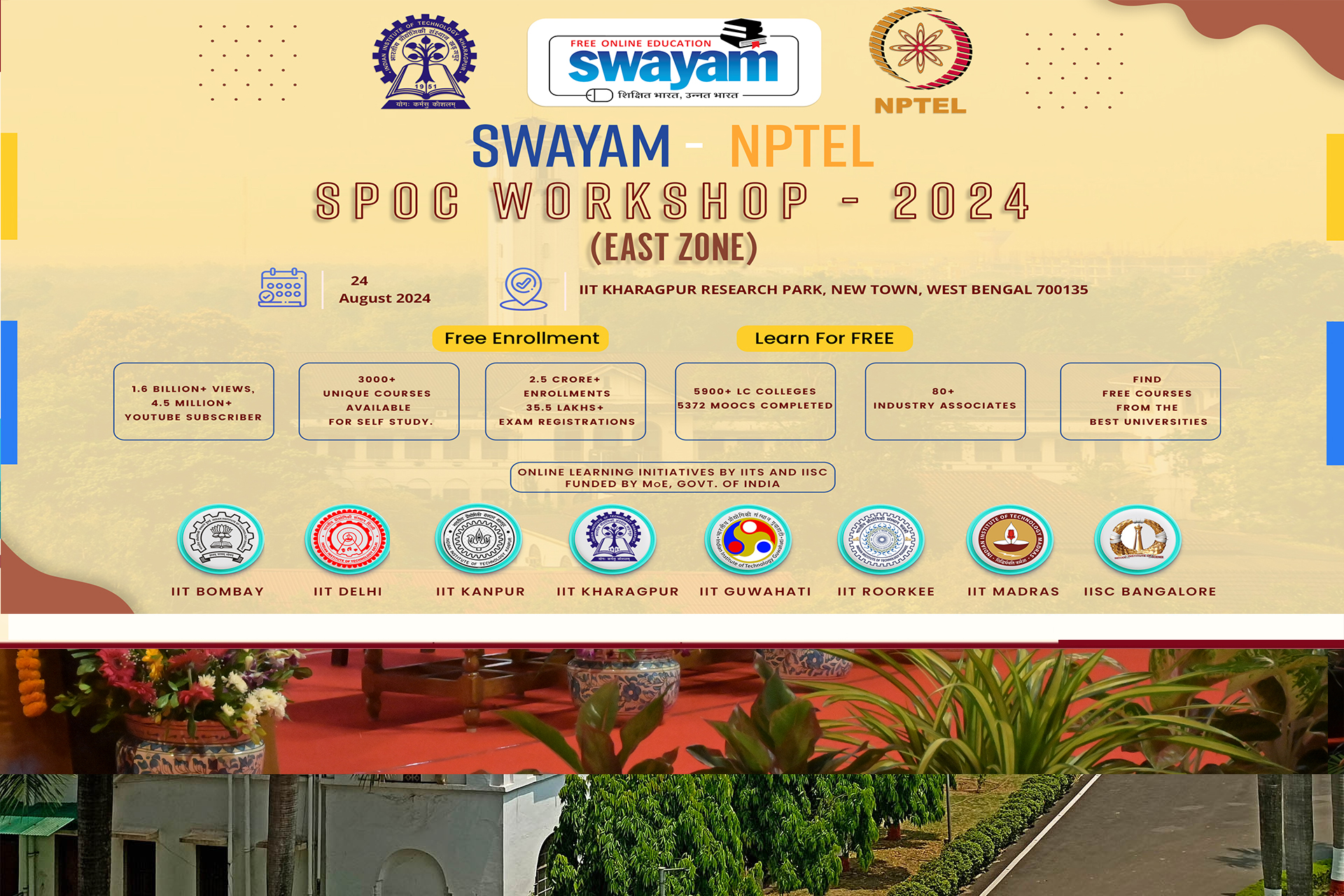
SPOC Workshop
NPTEL IIT Kharagpur
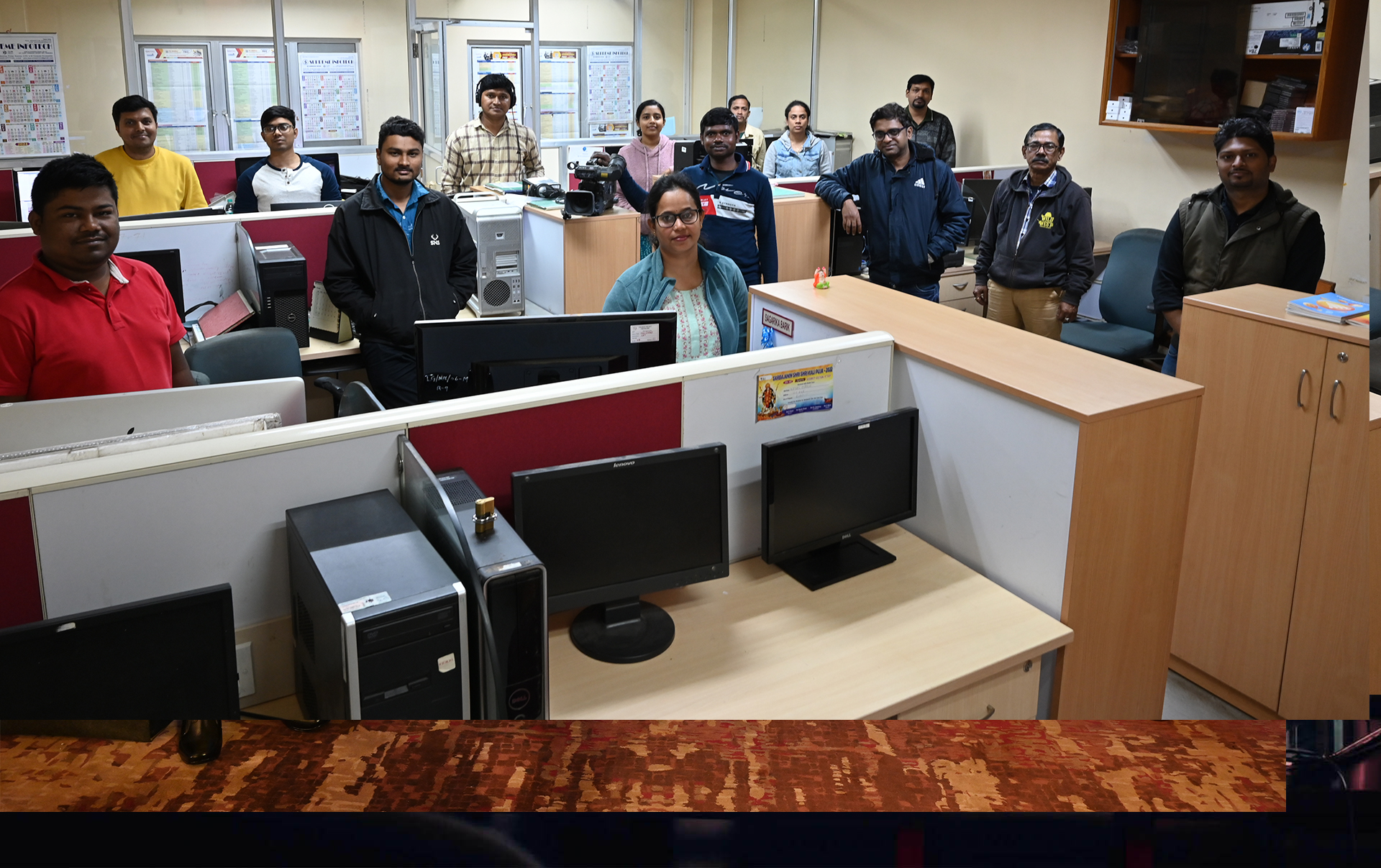
NPTEL Office
IIT Kharagpur
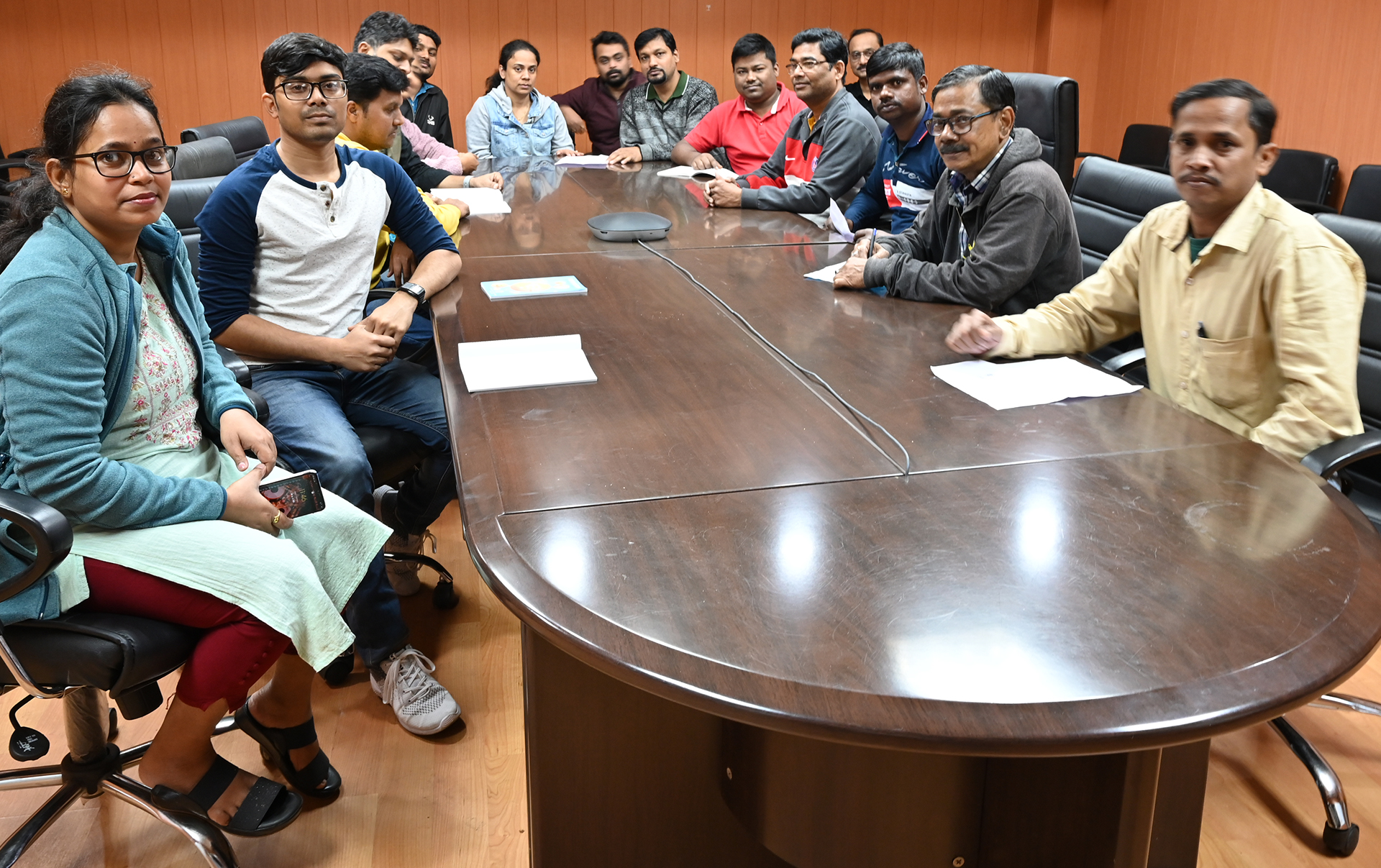
NPTEL Office
IIT Kharagpur

SPOC Workshop
February 2024
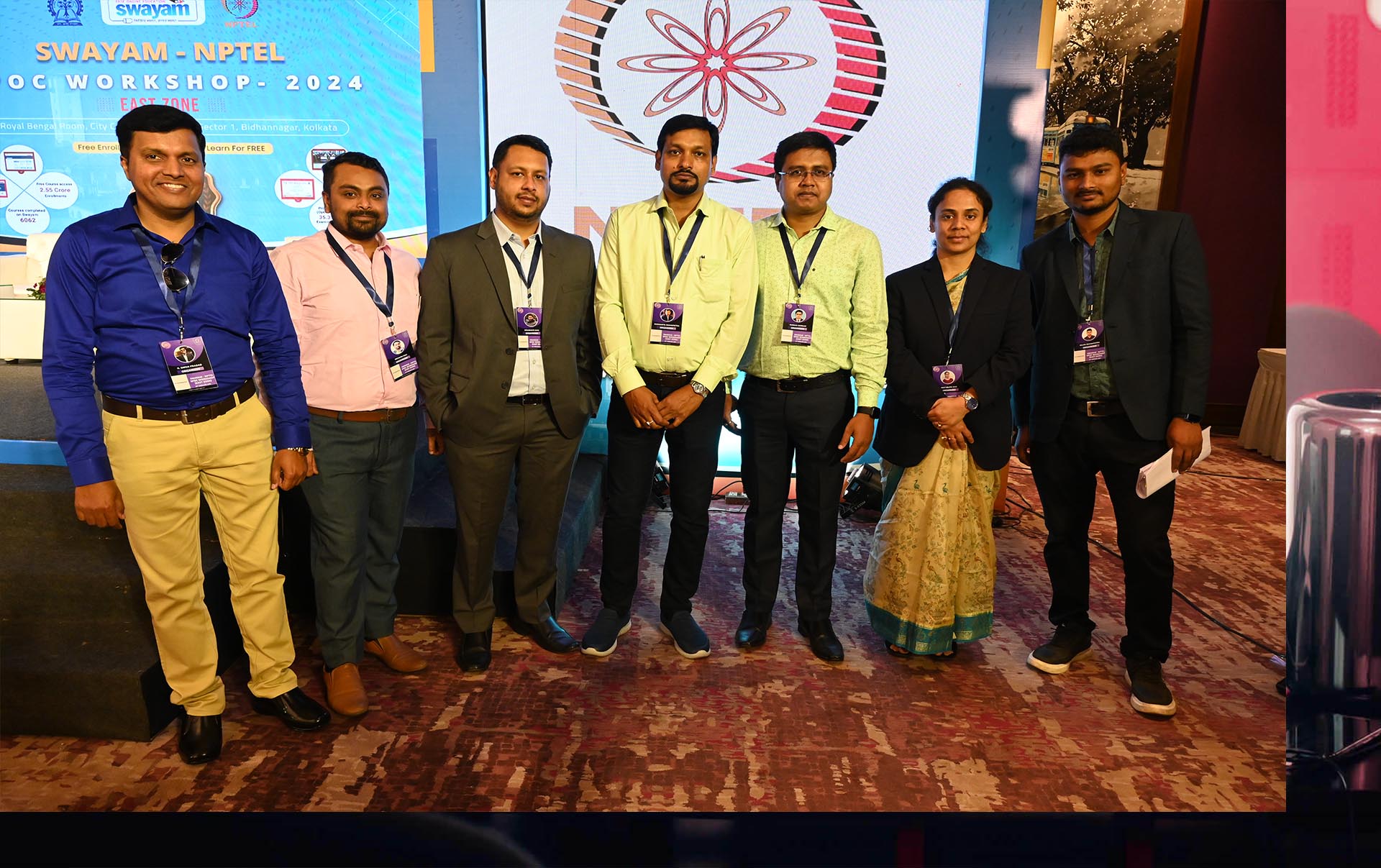
SPOC Workshop
February 2024
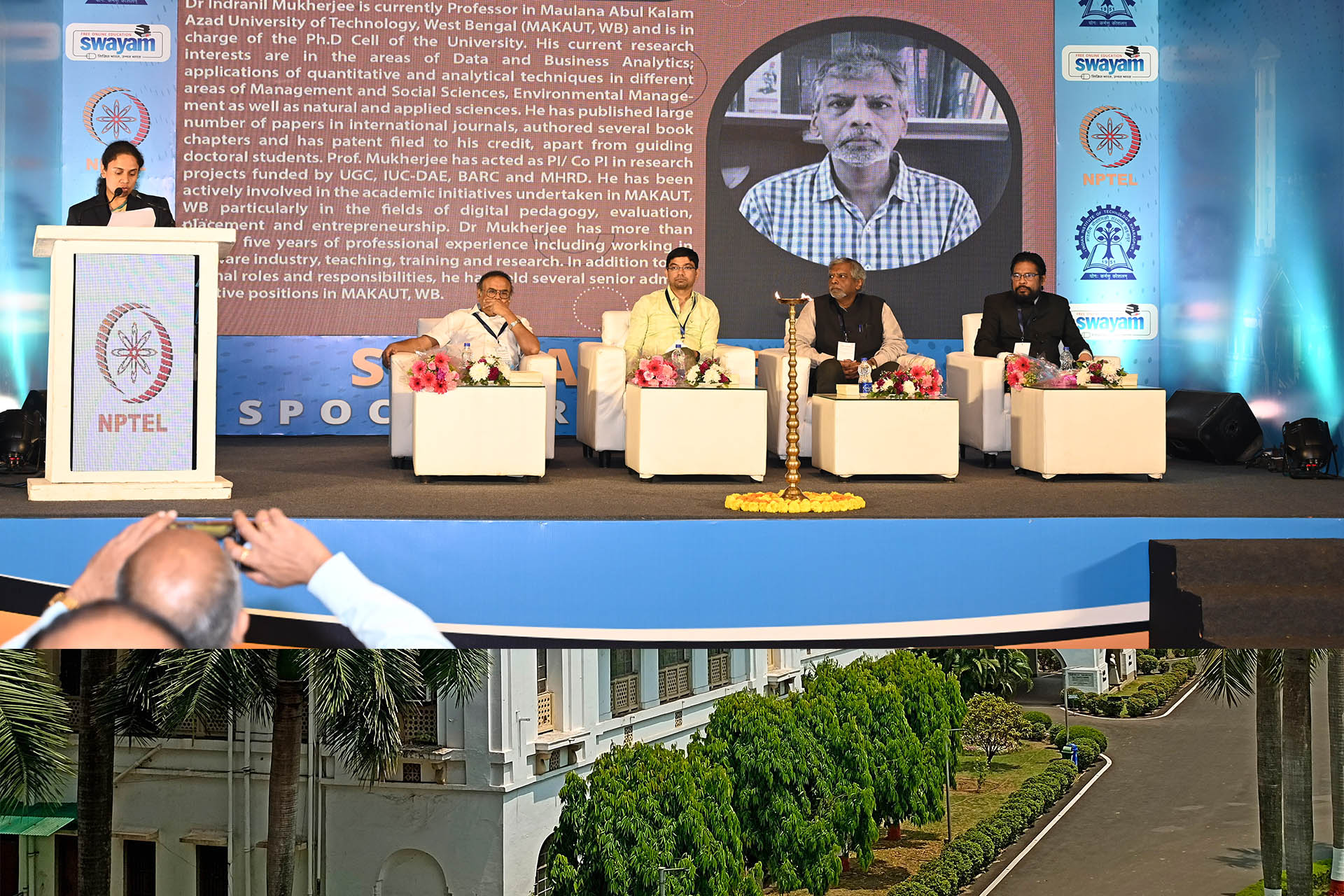
SPOC Workshop
February 2024
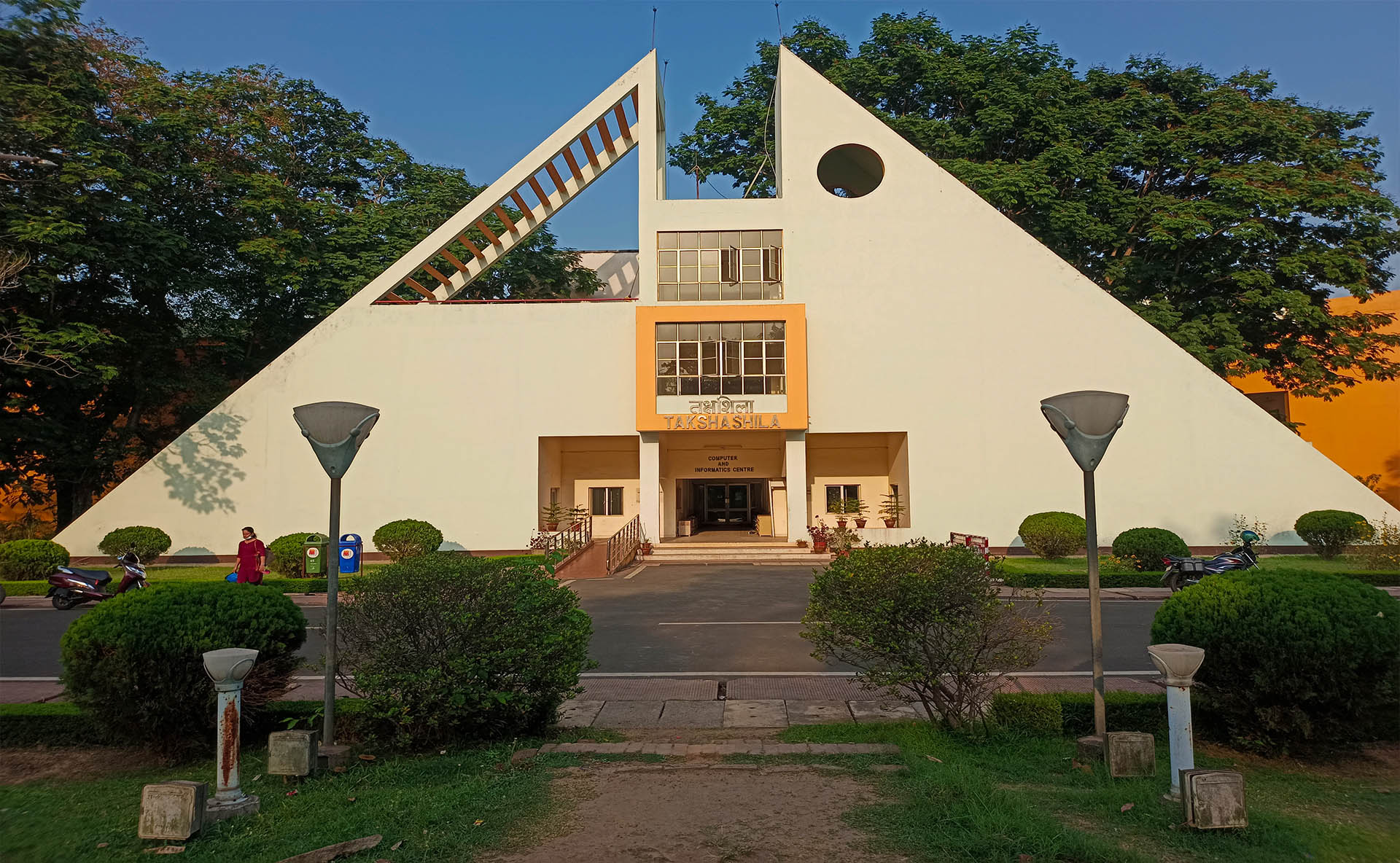
NPTEL Office
IIT Kharagpur
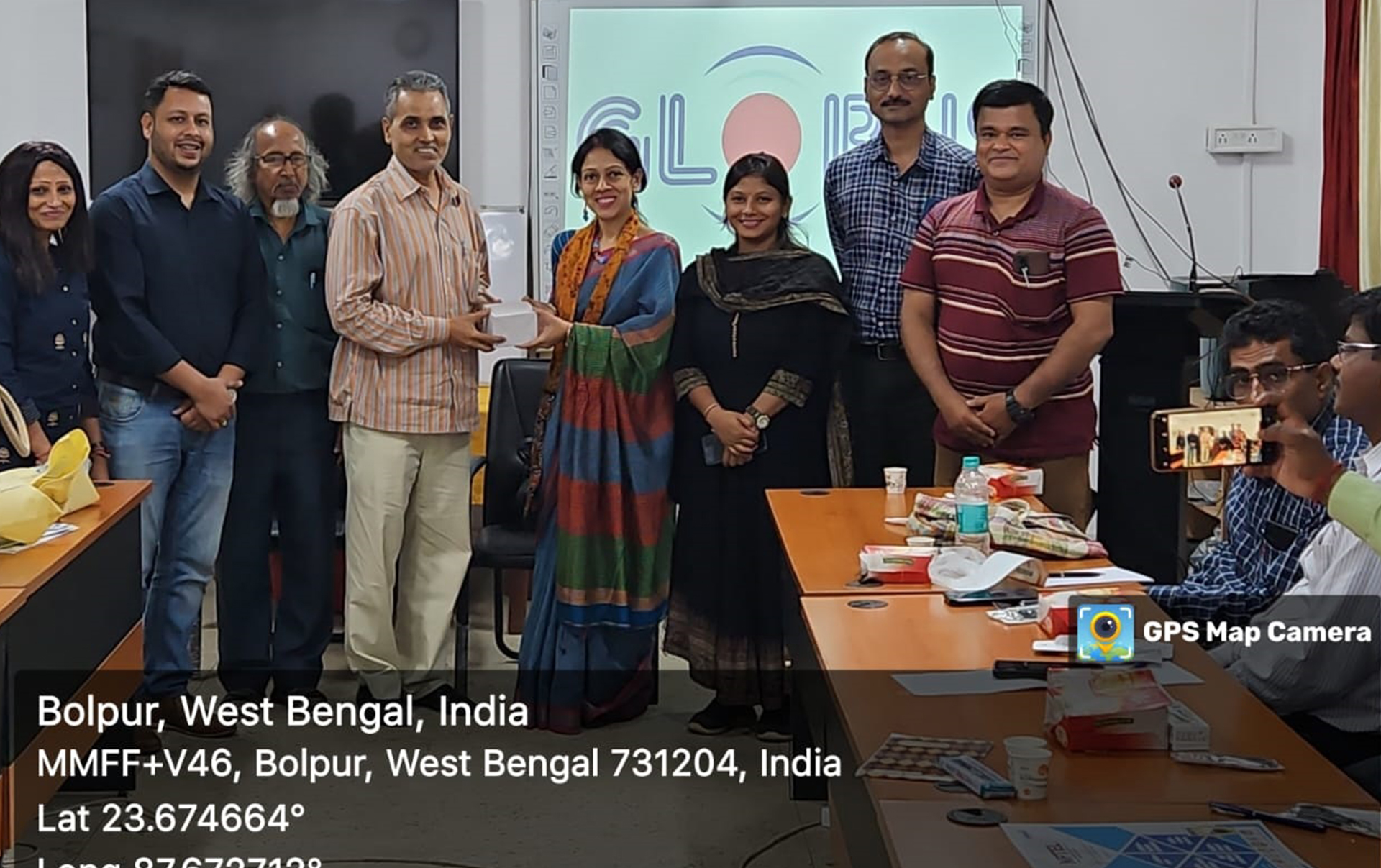
NPTEL
Awareness Workshop
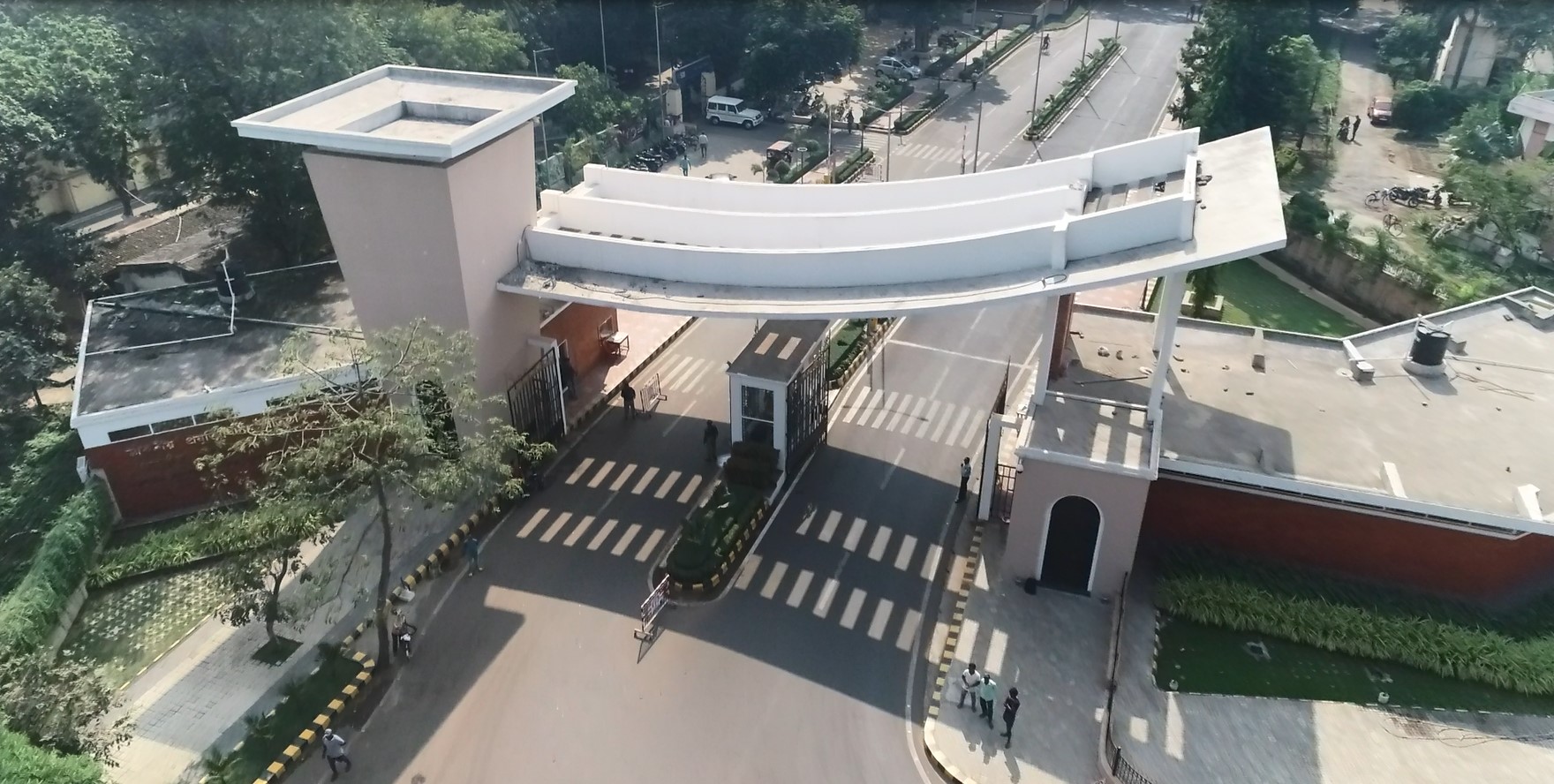
IIT Kharagpur
Main Gate

Foundation Day
IIT Kharagpur

Smart Classroom
Inauguration

Exam Statistics
NPTEL

National Coordinators
NPTEL

Exam Registration
NPTEL
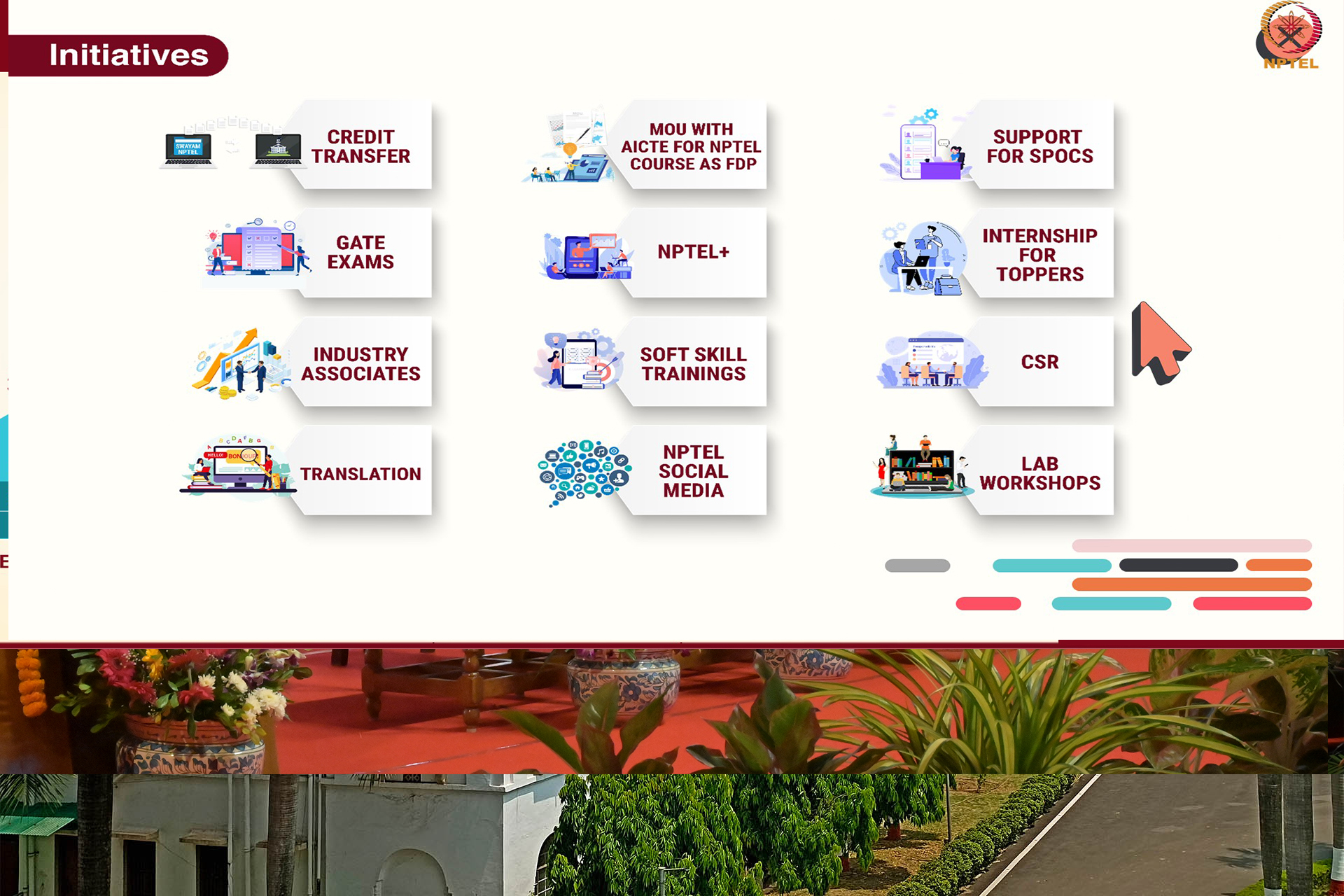
NPTEL Initiatives
Welcome to NPTEL, IIT Kharagpur




The National Programme on Technology Enhanced Learning (NPTEL) is an Indian e-learning platform for university-level science, technology, engineering, and mathematics (STEM) subjects. NPTEL is the largest e-repository in the world of courses in engineering, basic sciences and selected humanities and management subjects. The platform and materials have been jointly developed by Indian Institutes of Technology (IITs) and Indian Institute of Science. The initiative is funded by the central Ministry of Education. The project's central idea is to put recorded lectures taught by its member institutes online for open access. It operates an educational YouTube channel covering engineering, basic sciences, and some humanities and social science subjects.[3]Popular NPTEL courses are being translated into popular local languages. The local languages which the translation are available in include Assamese, Bengali, Gujarati, Hindi, Kannada, Malayalam, Marathi, Odia, Punjabi, Tamil and Telugu.
NPTEL was launched in 2003 by seven IITs: Bombay, Delhi, Kanpur, Kharagpur, Madras, Guwahati and Roorkee, in conjunction with the Indian Institute of Science (IISC). The courses were designed for these students. Those who did not have the same background and training, found the courses hard to follow. NPTEL was then restructured to offer customized massive open online courses (MOOCs) with exams. In March 2014, NPTEL began offering courses along with in-centre and proctored certification examinations. These NPTEL online certification (NOC) courses are offered twice a year (Jan-Jun, Jul-Dec).
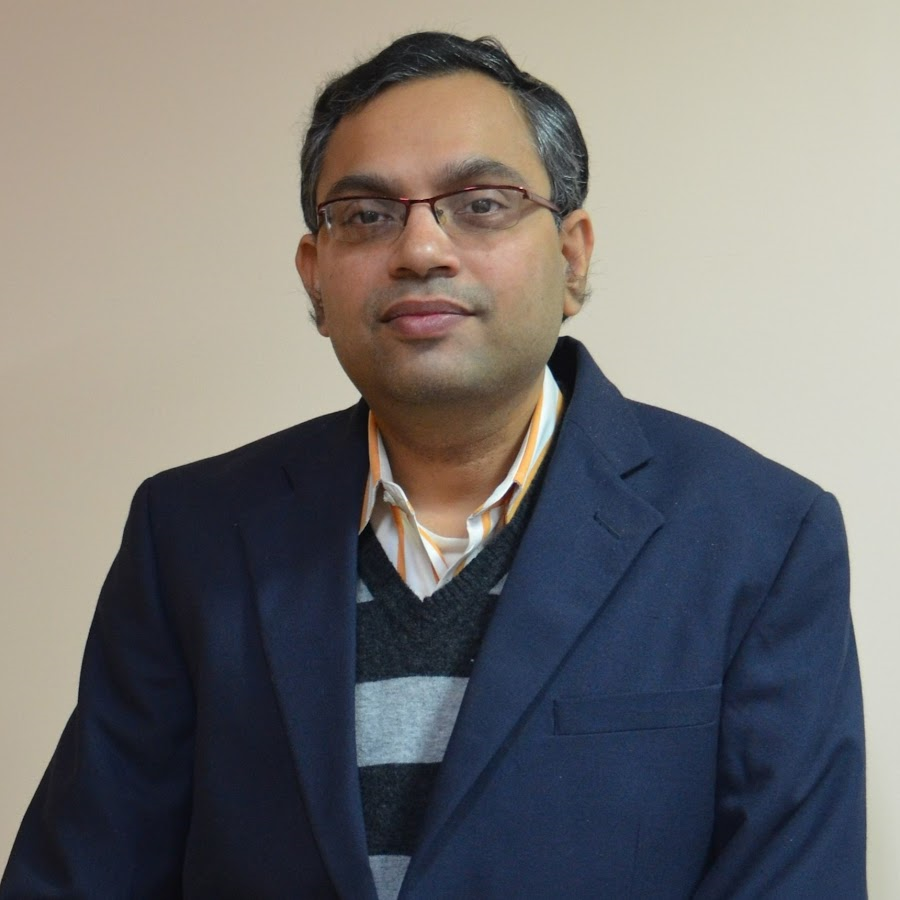
Prof. Suman Chakraborty
Director, IIT Kharagpur
and
Professor,
Department of Mechanical Engineering
IIT Kharagpur
Professor Suman Chakraborty serves as the Director of the Indian Institute of Technology, Kharagpur since June 2025. He earned his B.Tech. in Mechanical Engineering from Jadavpur University, followed by an M.Engg. (Gold Medalist) and Ph.D. from the Indian Institute of Science, Bengaluru, in 2002—where his doctoral work received both national and international acclaim.
Joining IIT Kharagpur in 2002 as an Assistant Professor, he has since held several key leadership positions, including Dean (Research & Development), Head of the School of Medical Science & Technology, and Institute Chair Professor. He is a Sir J. C. Bose National Fellow and recipient of the Institute Chair Professorship, reflecting his sustained contributions to research and academic leadership.
Prof. Chakraborty’s scholarship explores the frontiers of micro- and nano-scale fluid dynamics, with particular focus on interfacial physics, electro-hydrodynamics, and biomimetic systems. He is internationally recognized for pioneering “paper-and-pencil microfluidics”, a breakthrough that has enabled ultra-low-cost diagnostic platforms and point-of-care tools, particularly for resource-limited settings. His innovations—ranging from portable blood-testing discs and pain-free sampling techniques to low-cost kits for anaemia, infection, and drug-resistance detection; are supported by more than 500+ publications, 25+ patents, successful technology transfers (including COVIRAP, PrePAPQR, HemoQR, and Oro-Screen), and the mentorship of over 55+ doctoral researchers.
His work has been honoured with the Shanti Swarup Bhatnagar Prize (2013), the Infosys Prize in Engineering and Computer Science (2022), the National Award for Teachers from the President of India (2023), and the TWAS Award in Engineering and Computer Sciences from UNESCO (2026). He is also an elected Fellow of several distinguished academies and societies, including the American Physical Society, Royal Society of Chemistry, Indian National Science Academy, Indian National Academy of Engineering, and the Indian Academy of Sciences. A central theme of his career has been the translation of advanced scientific research into accessible technologies with direct societal impact.
As Director, Prof. Chakraborty is shaping a renewed vision for IIT Kharagpur’s academic and cultural landscape. He has placed student welfare and mental health at the forefront, advocating for a more empathetic and humane approach to education while upholding academic rigor. He has also fostered open dialogue and transparency across the campus community, strengthened bonds with alumni, and encouraged cultural inclusivity—introducing a tri-lingual campus identity in Bengali, Hindi, and English. Equally important, he has emphasized student safety and well-being, instituting proactive measures to prevent campus tragedies and nurture a sense of belonging.